
Transcranial magnetic stimulation (TMS) is a type of magnetic stimulation therapy for the brain.
rTMS is a safe, non-invasive medical technology designed to help alleviate depression, anxiety, and other mental health issues. Utilizing scientifically proven techniques, rTMS provides a safe and effective alternative for patients seeking traditional medication. Our goal is to offer you a professional, personalized treatment experience, helping you regain mental well-being and a balanced life.
What is rTMS?
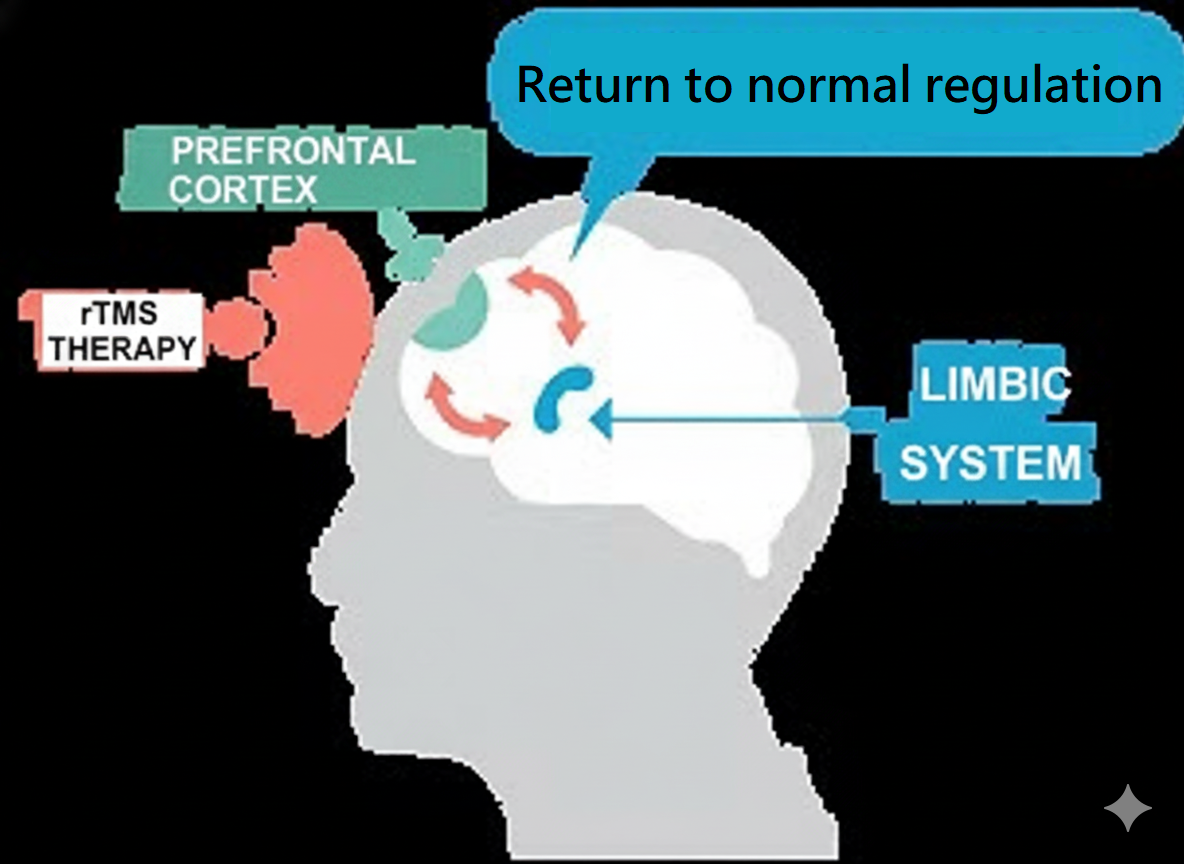
repetitive transcranial magnetic stimulation (rTMS) is a non-invasive therapeutic technique that uses magnetic fields to stimulate specific regions of the brain. By generating brief magnetic pulses, rTMS can modulate neural activity in the brain, particularly targeting the dorsolateral prefrontal cortex (DLPFC), an area closely related to mood regulation. Studies have shown that DLPFC activity is typically lower in patients with depression, and rTMS can restore normal neural activity by stimulating this area, thereby improving mood symptoms .
rTMS has been widely recognized by the international medical community and is particularly suitable for mood disorders , neuralgia , and post-stroke rehabilitation .
Mood disorders (especially applicable to depression, anxiety disorder, MADD, and obsessive-compulsive disorder, OCD)
rTMS is particularly suitable for:
• Patients who do not respond well to or cannot tolerate the side effects of traditional antidepressants
; • Individuals who wish to quickly improve their mood symptoms and return to their daily lives;
• Patients seeking non-pharmacological treatment options.
health status
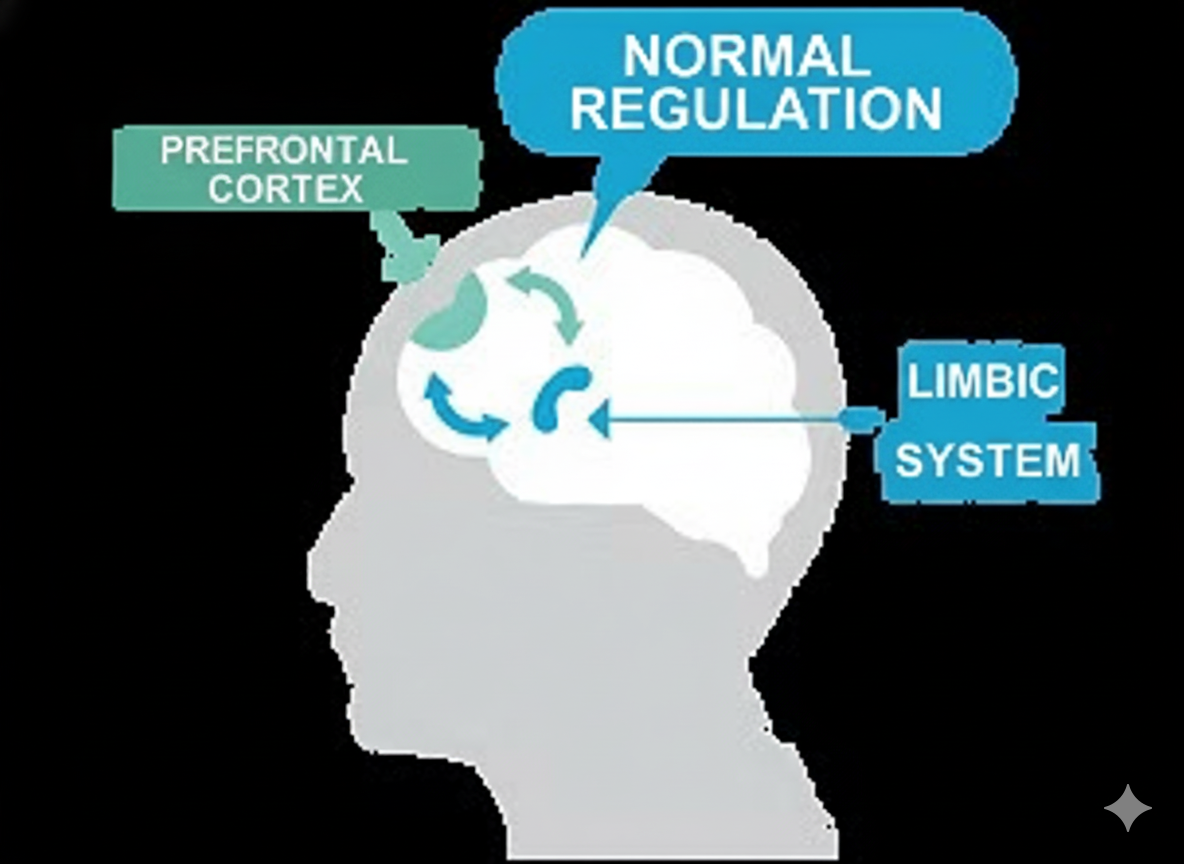
In healthy individuals, the prefrontal cortex of the brain can normally regulate the activity of the brain’s emotional region , preventing it from becoming overactivated.
Depressive state
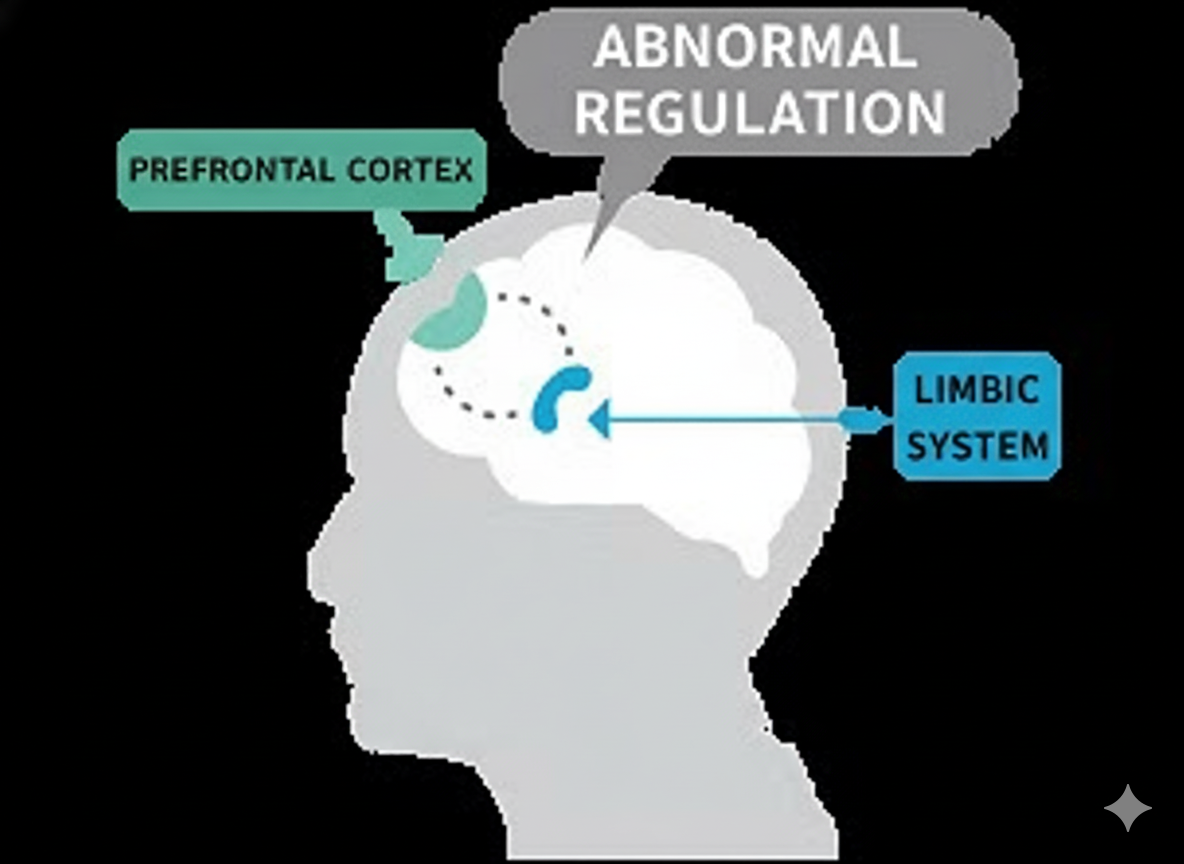
In patients with depression, the prefrontal cortex of the brain metabolizes more slowly, failing to properly regulate the activity of the brain’s mood areas . This leads to overactivation of these areas, resulting in symptoms such as depression and anxiety.
TMS treatment
Magnetic stimulation of the brain (MSB) uses magnetic pulses to non-invasively stimulate the prefrontal cortex of patients with depression . By utilizing the principle of neural plasticity, it restores the regulatory function of the brain’s emotional region to normal, thereby improving the overactivation of the emotional region and achieving the effect of treating depression.
neuralgia
Neuropathic pain is a chronic pain symptom caused by abnormal activity of the central nervous system, and is often described as a tingling, stinging, numb, burning, or electric shock sensation.
Long-term neuropathic pain can lead to plasticity changes in synapses in the brain, which may include strengthening or weakening of synaptic connections. These changes can cause abnormal signal transmission between neurons in brain regions associated with pain processing, such as the sensory cortex, resulting in functional alterations that affect the perception and processing of pain.
Neuropathic pain can affect brain regions associated with mood regulation, such as the amygdala and prefrontal cortex, which may lead to mood problems such as anxiety and depression, further exacerbating the pain. Pain may also consume brain resources, and long-term neuropathic pain may affect a patient’s attention and memory function.
Magnetic stimulation of the brain (MEG) can reduce pain by reorganizing and repairing abnormal brain networks related to pain perception and processing.
Stroke rehabilitation
Stroke is mainly characterized by muscle weakness or paralysis on one side of the body (usually the left or right side), making it impossible to perform normal activities. After a stroke, the inhibitory balance between the motor cortex of the affected and unaffected hemispheres is disrupted, with increased inhibition of the affected hemisphere by the healthy hemisphere. This hinders the development of neuroplasticity in the affected hemisphere, resulting in less effective rehabilitation training.
Through brain magnetic stimulation therapy, the inhibitory balance between the affected and unaffected motor cortex of the brain hemispheres can be restored, making stroke rehabilitation training more effective.
Our rTMS service features

Scientific Empirical Technology
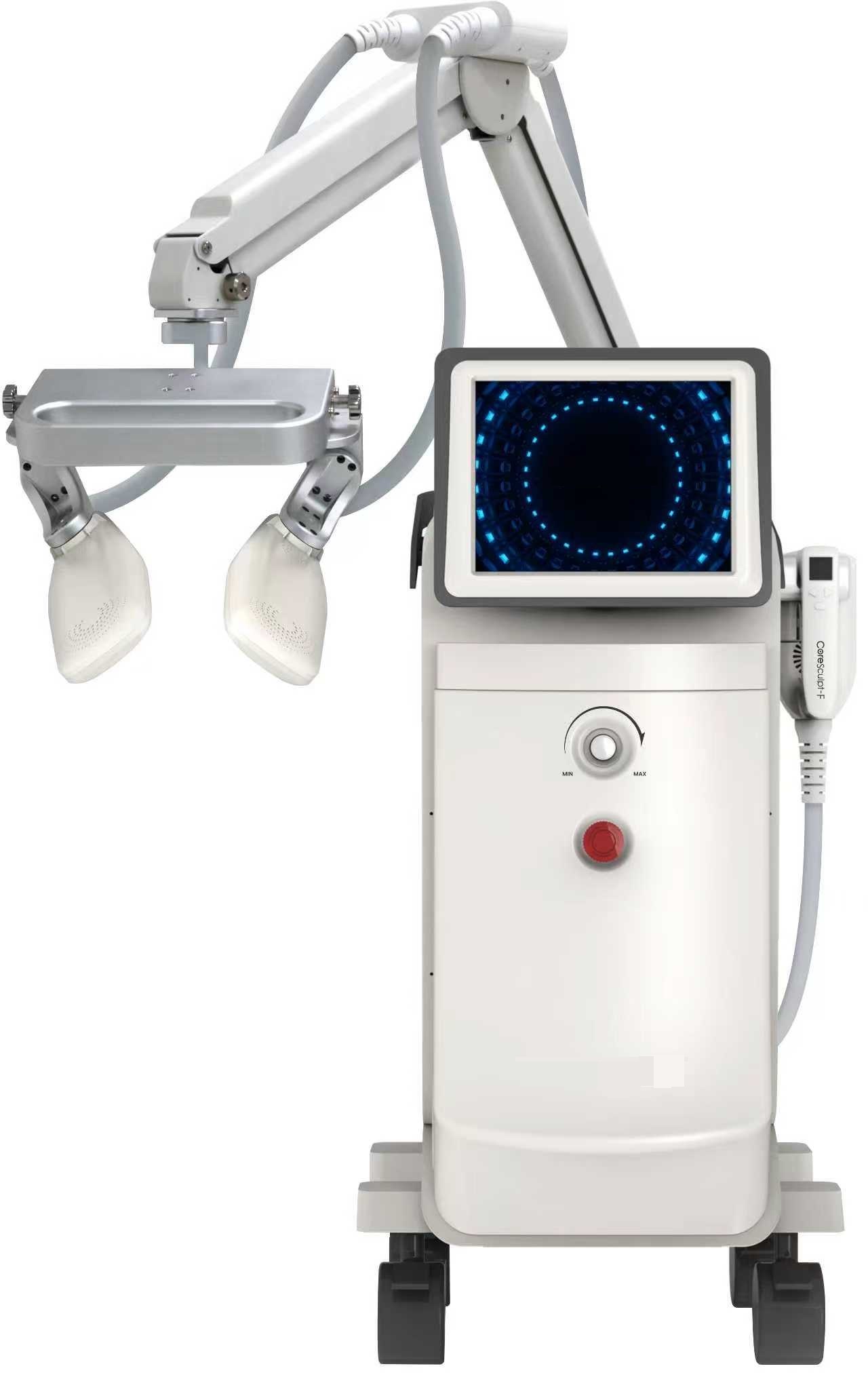
Our rTMS treatments adhere to international standards and are performed by professional psychiatrists and trained technicians to ensure safety and efficacy. The equipment uses advanced rTMS instruments imported from Europe, meeting the highest medical standards.

Non-invasive and safe
rTMS requires no anesthesia or surgery; you remain conscious and experience no significant discomfort during treatment. Common side effects are mild (such as mild headache or scalp discomfort) and usually subside quickly after treatment.

Personalized treatment plan
Every patient’s situation is unique. Our professional team will conduct a detailed assessment before treatment and customize the most suitable rTMS treatment based on your symptoms, medical history, and needs, including stimulation frequency, intensity, and number of treatments.

Comfortable and confidential environment
Our clinic offers a comfortable treatment environment, with all meetings conducted in private rooms, strictly adhering to Hong Kong’s Personal Data (Privacy) Ordinance to ensure your privacy and data security.
rTMS Treatment Procedure
01
Preliminary consultation
Contact us by phone and briefly state your concerns.
02
Evaluation phase
Our experts will conduct a one-on-one consultation to assess your suitability for rTMS treatment and answer any questions you may have. The assessment includes a review of your medical history, symptom analysis, and the setting of treatment goals.
03
Treatment plan development
Based on the assessment results, we will design a personalized rTMS treatment program for you. A typical program consists of approximately 20-30 minutes of treatment daily (Monday to Friday) for 4-6 weeks, with the specific number of treatments recommended by your doctor.
04
Treatment process
During the treatment, you will sit in a comfortable treatment chair. Magnetic pulses will be precisely applied to the target areas of the brain. The process is painless and requires no special preparation. You can resume your daily activities immediately after the treatment.
05
Progress tracking and follow-up support
We will regularly assess the treatment’s effectiveness, adjust the plan based on your progress, and provide recommendations for follow-up psychotherapy or medication management.
Why choose our rTMS service?

professional team
The treatment is performed by trained technicians and supervised by psychiatrists with extensive experience, ensuring safety and effectiveness.

Flexible arrangement
It offers flexible booking times, suitable for the busy pace of life in Hong Kong.

Multilingual services
We offer consultations and treatments in Cantonese, English, and Mandarin to meet the needs of people from different backgrounds.

Full support
We offer comprehensive mental health care by combining rTMS with psychotherapy or other complementary therapies.
Letter of thanks


Depression survivors
recovered patients
recovered patients
 EN
EN  ZH
ZH