

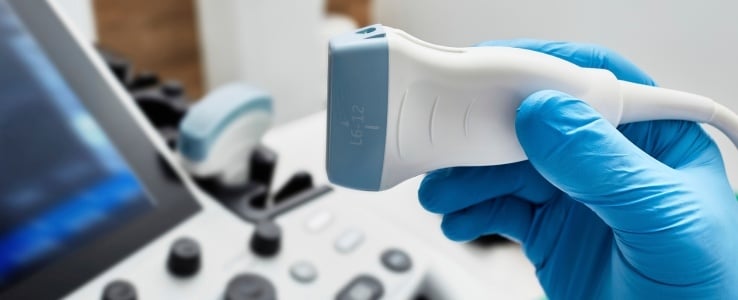
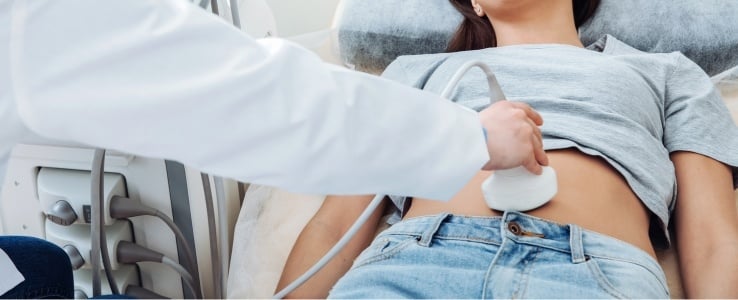
Fibro-scanning is anon-invasive investigation used to assess liver health. By measuring the stiffness of the liver, it can detect or measure the severity of liver fibrosis and cirrhosis . During a Fibroscan®, a specialized ultrasound probe is placed on the abdomen , sending shear waves into the liver tissue, which determine the stiffness of the liver.
What are the benefits of Fibroscan®
1. Early detection
One of the primary advantages of fibro-scanning is its ability to detect liver diseases at an early stage, even when symptoms may not be obvious, allowing timely intervention and treatment to prevent further damage and improving treatment outcomes.
2. Non-invasive alternative to liver biopsies
Fibro scanning reduces the need for invasive liver biopsies, which can be uncomfortable and carry the risk of complications.
3. Proactive liver care
Fibro-scanning reduces the need for invasive liver biopsies, which can be uncomfortable and carry the risk of complications.
What are the differences between Fibroscan® and other liver examinations?
| Benefits | Limitations | |
| FibroScan® | A non-invasive procedureA more accurate method in assessing liver fibrosis and cirrhosisCan simultaneously assess fatty liver disease | Cannot determine the grade of inflammation in the liver |
| Liver Biopsy | The gold standard for measuring liver fibrosisAble to assess the grade of inflammation in the liverCan simultaneously assess fatty liver disease | An invasive procedure, can lead to bleeding and other adverse eventsProne to sampling error |
| Liver Ultrasound | A non-invasive procedureCan simultaneously assess tumours and fatty liver disease | Not a sensitive test for the diagnosis of mild liver fibrosis and fatty liver disease |
| Blood Test | A liver function test, able to assess the grade of inflammation in the liver | Unable to identify liver fibrosis |
A FibroScan® can be performed for individuals who have evidence of a liver condition and need to determine the severity of the disease. This includes people being monitored for hepatitis C (HCV), chronic hepatitis caused by hepatitis B (HBV), and a combination of hepatitis C and HIV. It is also applicable for those with liver disease caused by alcohol (alcoholic hepatitis), non-alcoholic fatty liver disease, and non-alcoholic steatohepatitis. Additionally, it is relevant for individuals with chronic cholestatic disease, cirrhosis, hemochromatosis, and those who require monitoring before and after liver transplantation.
How often can I have a liver fibrosis scan?
FibroScan® is usually performed every one to two years based on the first Fibroscan® result. Or as directed by your doctor.
Is there a risk of Fibroscan®?
FibroScan® rarely causes discomfort or pain, although the sensor may feel slightly unusual when placed on the skin. The procedure has no side effects. Once it is completed, you can safely drive, return to work, and resume your normal daily activities.
FibroScan® is not recommended for pregnant women. If you have a pacemaker, talk to your doctor first.
Incorporating fibro scanning into health check-ups brings significant benefits. Its ability to detect liver diseases early, its non-invasive nature, and its role in promoting proactive liver care all contribute to better overall health outcomes for individuals at risk of liver-related conditions. By providing valuable information about liver fibrosis and cirrhosis, fibro-scanning plays a crucial role in liver health assessment and enables timely intervention and treatment, ultimately improving patient well-being.
 EN
EN  ZH
ZH